How to Select a Reliable EV Charging Gun Supplier
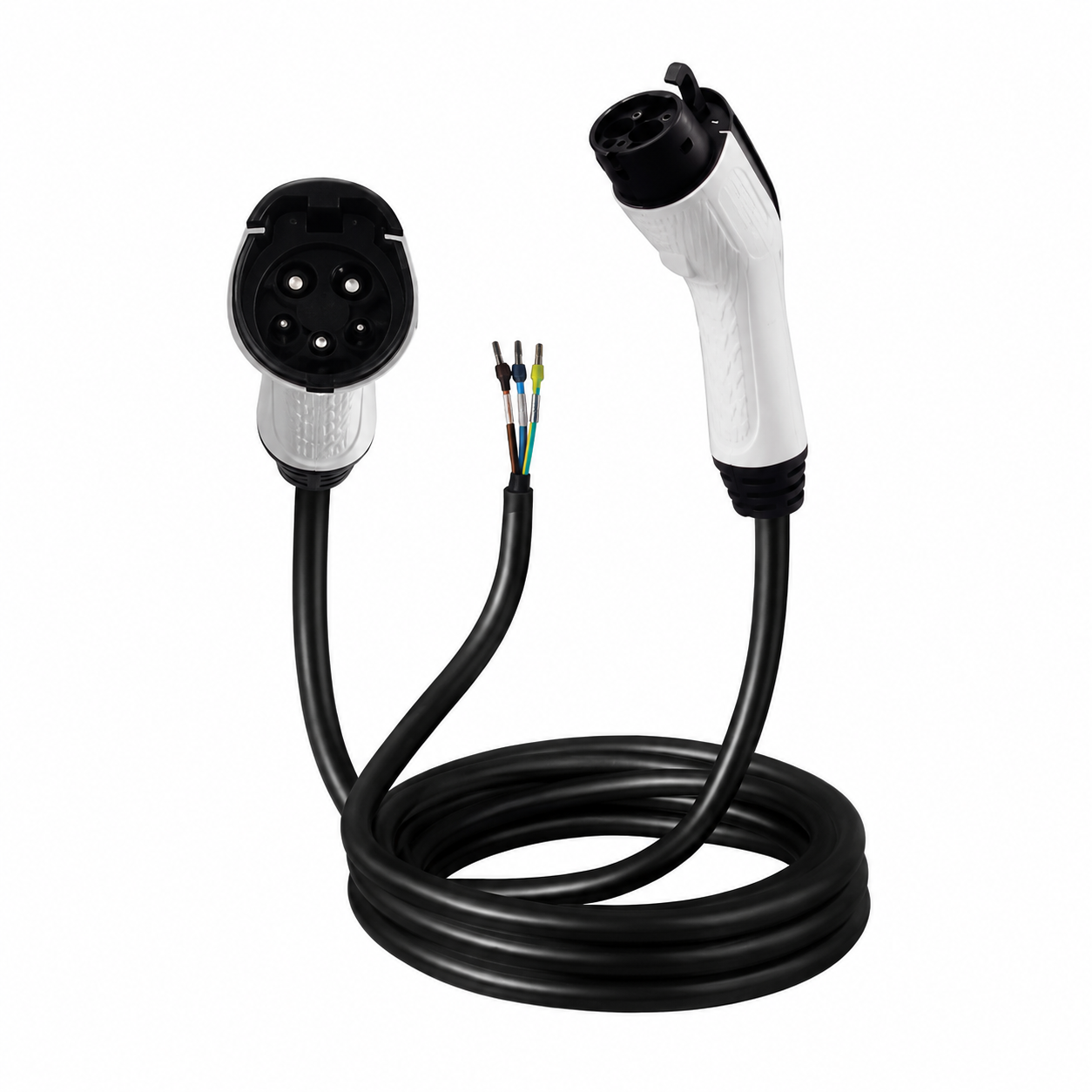
This guide is for distributors and private-label brands comparing EV charging gun suppliers. A useful supplier can explain the exact model, show what has and has not been verified, control revisions and carry the approved configuration into production.
Ask for a model-level answer
Send the same brief to every candidate: target market, connector role, electrical requirement, cable length, termination, branding and quantity tier. Ask for a proposed model and revision, with open points clearly marked.
Look for evidence you can use internally
| Evidence | What it helps confirm |
|---|---|
| Product and end-view photos | Connector role, termination and included set |
| Model/revision record | Identity across quote, sample and reorder |
| Drawing or dimensional reference | Fit and integration review |
| Sample plan | Equipment and conditions to be checked |
| Label and packaging draft | Market language and private-label handoff |
Use the sample to test communication
Check whether the sample matches the quotation and whether cable entry, label, termination and accessories are recorded. A different storage bag from the approved photo may be a small change, but the supplier should have communicated it.
Check what happens after approval
Ask how engineering changes, replacement parts, fault intake and repeat orders are handled. MOQ, price, lead time, stock and customization can change by model and order, so get them in the quotation.
Compare suppliers with a short scorecard
Score specification clarity, evidence, sample consistency, change control, packing accuracy and after-sales response. Compare price after the scope is aligned.
See the charging cable range or start a supplier comparison.
FAQ
Does a large catalogue prove supplier capability?
No. Verify exact models, evidence and production controls relevant to your order.
What is the most useful first supplier document?
A model-specific quotation that separates confirmed fields, open fields, included items and sample requirements.