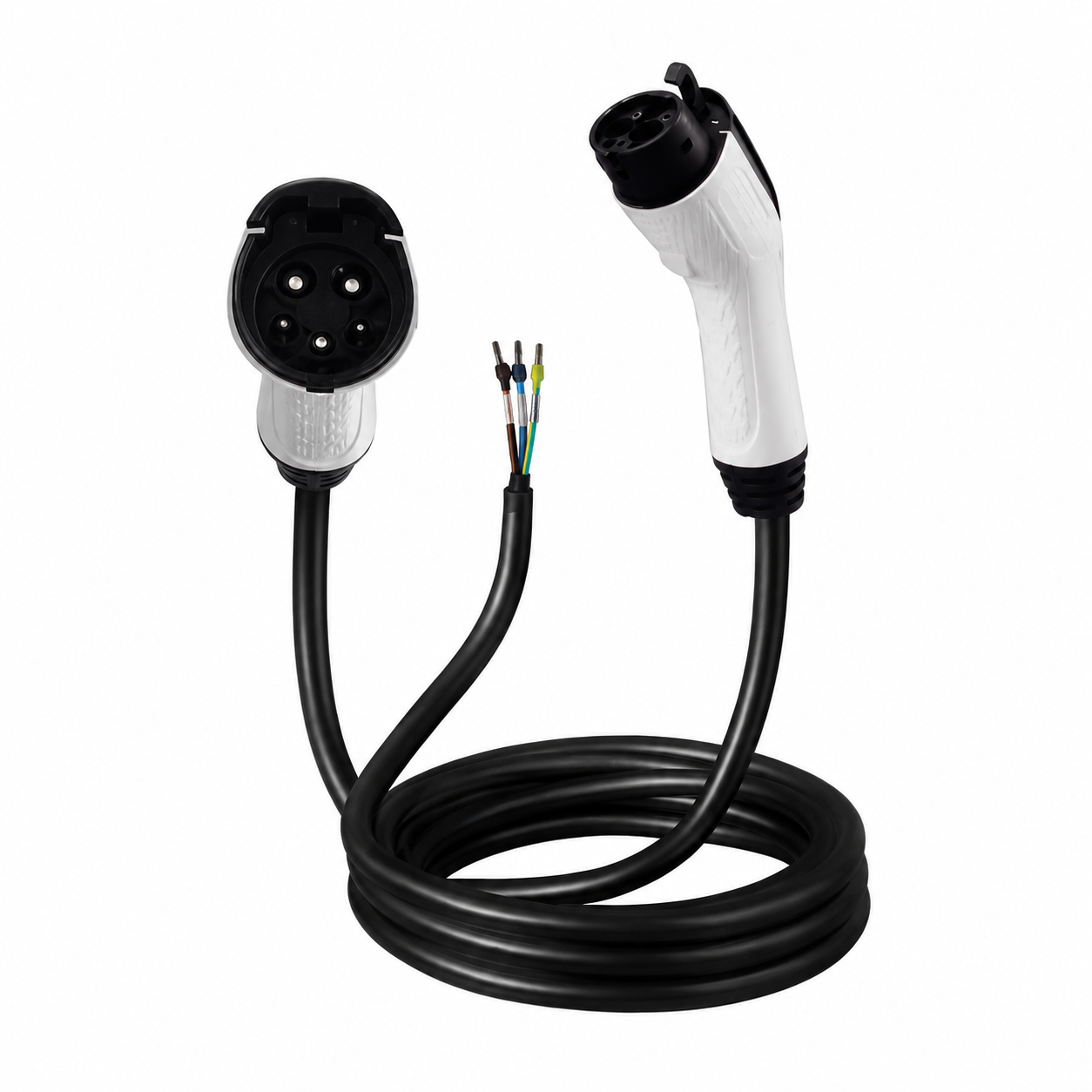
EV Charging Gun Quality Control Process for Private-Label Orders
A workable EV charging gun quality process starts before production. The buyer and supplier first freeze the model, revision, cable build, termination, label and packing set. Incoming material, assembly checks, testing and final inspection then refer back to that approved record. If the reference changes quietly, a neat final inspection report cannot fix the gap.
What should be controlled before production starts?
Approve a model-specific specification, drawing or dimensional reference, sample record, label artwork, accessories and packaging. Mark any open technical or market fields. The approved sample should have a clear model and revision rather than being remembered as “the black one we tested last month.”
What happens during incoming inspection?
The receiving team checks the identity and visible condition of connectors, terminals, cable, housings, seals, labels and other order-specific parts. Inspection depth depends on the product and agreed plan. Suspect material should be isolated and recorded instead of moving to assembly because it looks similar.
Where are the useful in-process checks?
Put checks close to the work that could create the defect. Cable preparation, termination, strain relief, connector assembly, lock operation and marking are typical control points for a charging-gun cable assembly.
How should final inspection differ from validation?
Final inspection confirms the order follows the approved configuration. Engineering or sample validation asks whether that configuration works in representative equipment and conditions. Keep the two records separate. A routine production check should not be presented as universal vehicle compatibility evidence.
What should happen when a defect or change appears?
Record the model, revision, batch, sample number, photos and disposition. For a proposed material or construction change, review the effect on fit, electrical construction, markings, packing and previous validation. Decide whether documents or samples need updating before release.
See the sample validation guide, review AC charging cable options, or send the product form, approved revision and order scope to discuss a quality plan.
FAQ
Is final inspection enough for a new charging gun model?
No. A new or changed configuration normally needs sample and project validation before routine final inspection can use it as the reference.
Should every order use the same inspection plan?
Not automatically. The checks and sampling should reflect the product, project risks and agreed purchase specification.
What is the most important quality record?
There is no single record. The model and revision must connect the approved specification, sample, production and final inspection evidence.